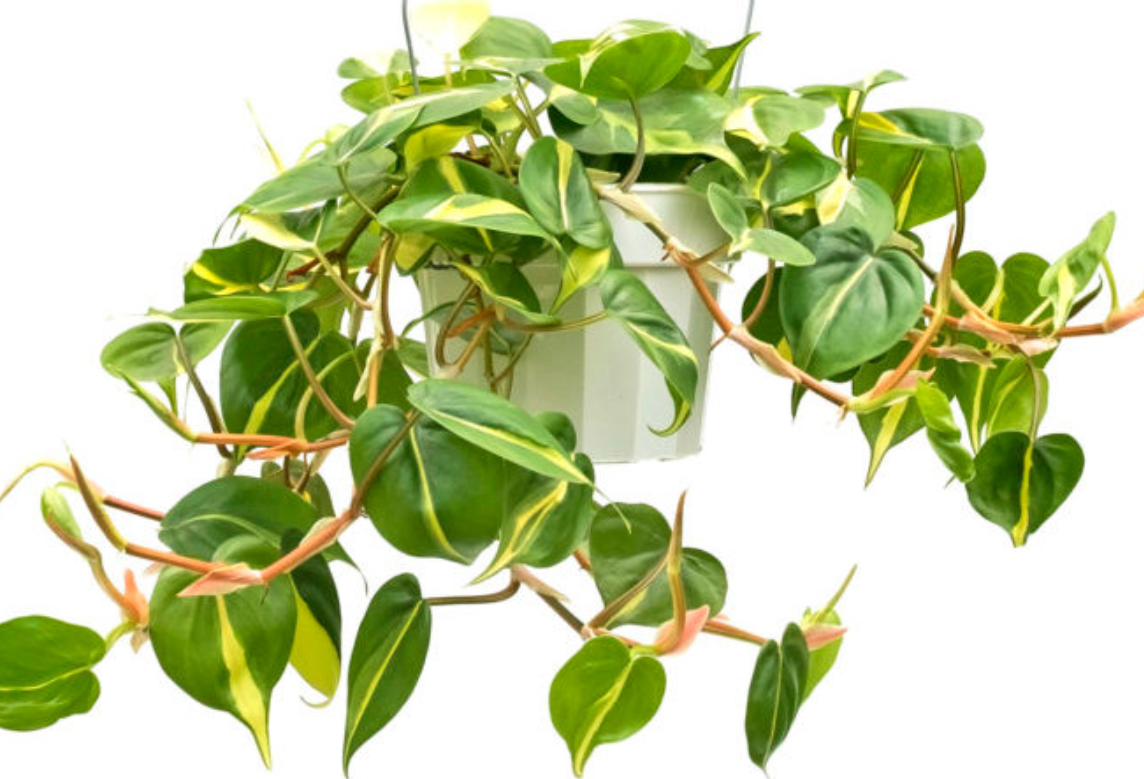
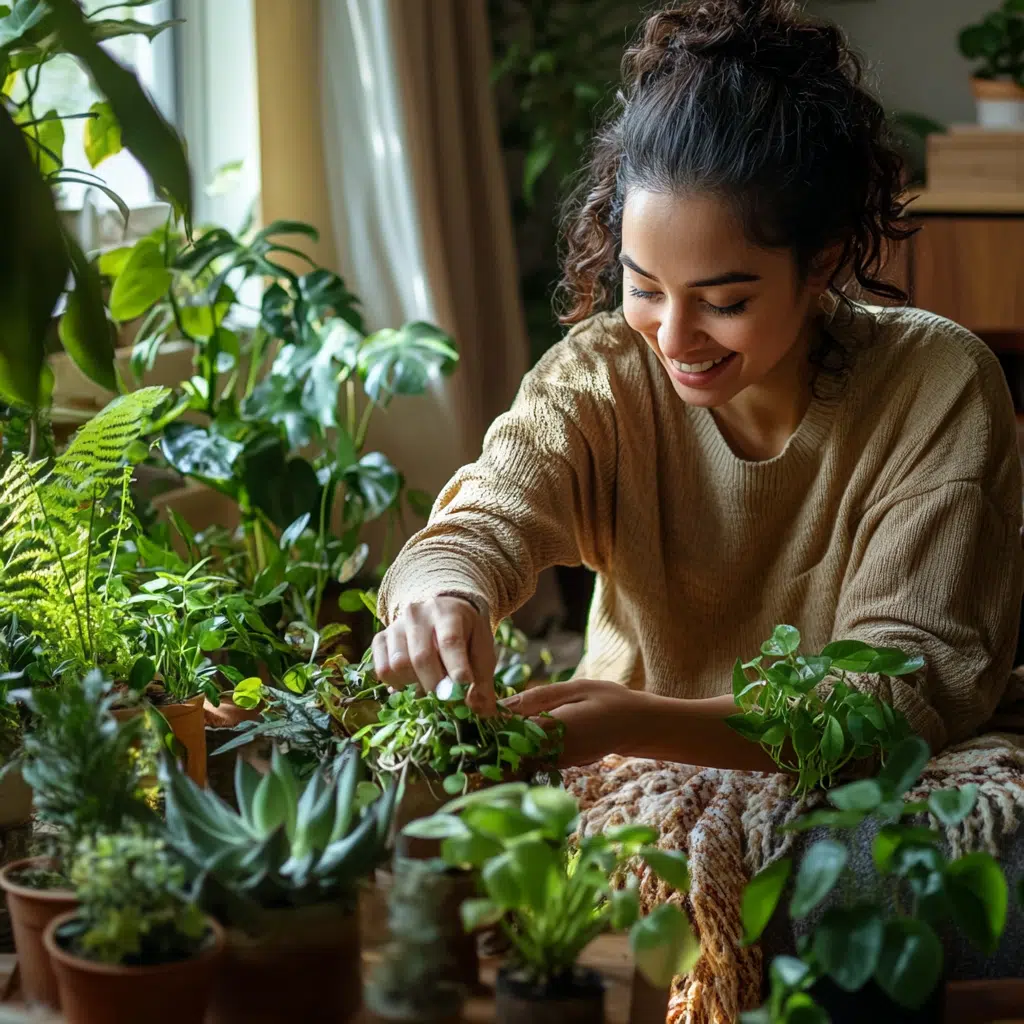
Hello, my plant-loving friends! ❄️🌞 Winter can be challenging for everyone, but for your green companions, it’s particularly challenging. Plants are solar-powered machines—they rely on sunlight to photosynthesize and create the energy needed to grow and thrive. And during those shorter, frostier days, they need extra care to keep their spirits (and chloroplasts!) running strong. Let’s dive into the science-backed strategies for keeping your plants happy and healthy all winter.
Step 1: Relocate to the Light Parade🌞
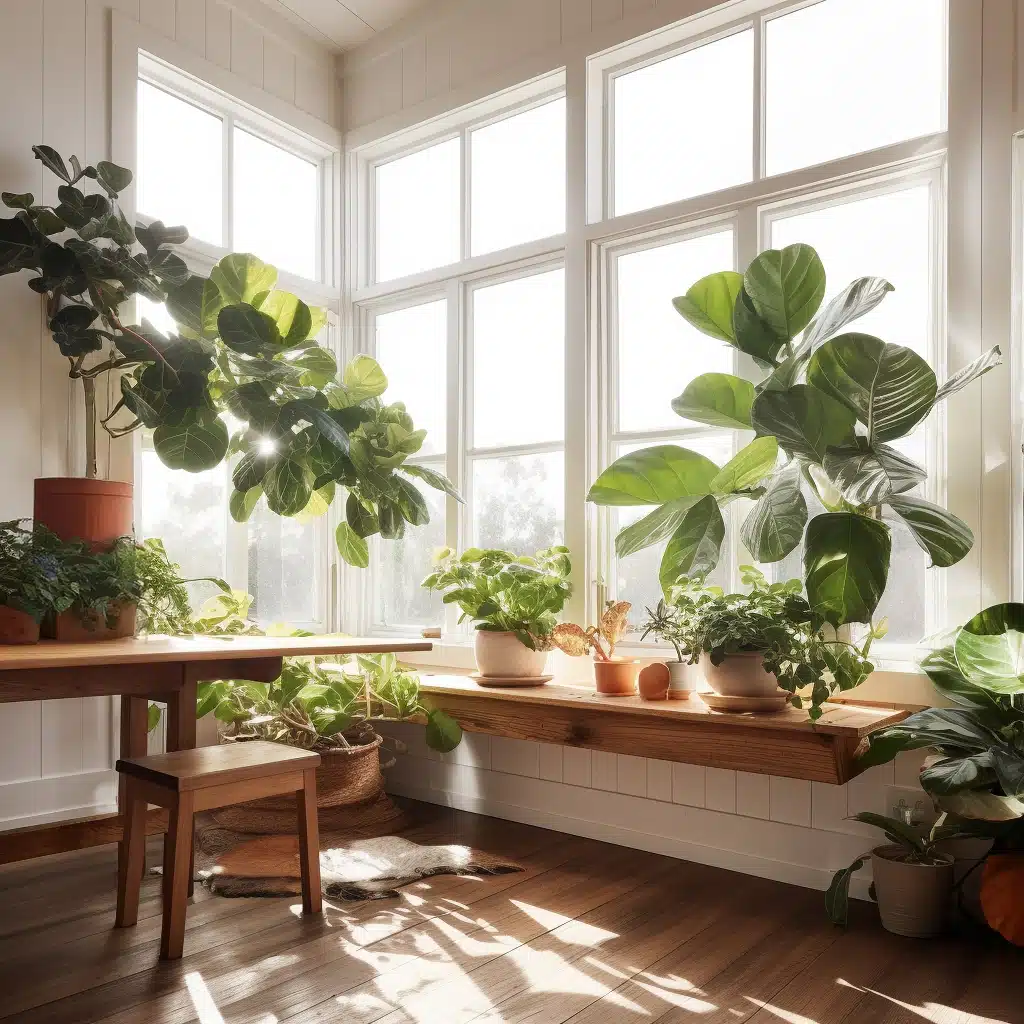
Light is a plant’s primary energy source, powering the process of photosynthesis. During photosynthesis, plants absorb light (primarily in the blue and red wavelengths) through their chlorophyll and convert it into chemical energy. However, in winter, there’s less light available, which can lead to slower growth or even dormancy. Here’s how you can help:
- Find the brightest windows: South- or east-facing windows provide the most sunlight in winter. Plants like succulents, fiddle-leaf figs, and pothos will thank you for relocating them closer to these sunny spots.
- Mind the chill: While light is essential, freezing temperatures near drafty windows can damage plant cells, causing leaves to wilt or brown. Keep plants a few inches away from the glass.
- Rotate, rotate, rotate! Plants naturally grow toward light (a phenomenon called phototropism). By rotating your plants weekly, you’ll ensure all sides receive equal light, promoting balanced growth and preventing a lopsided appearance.
Step 2: Dust Off and Shine Bright ✨
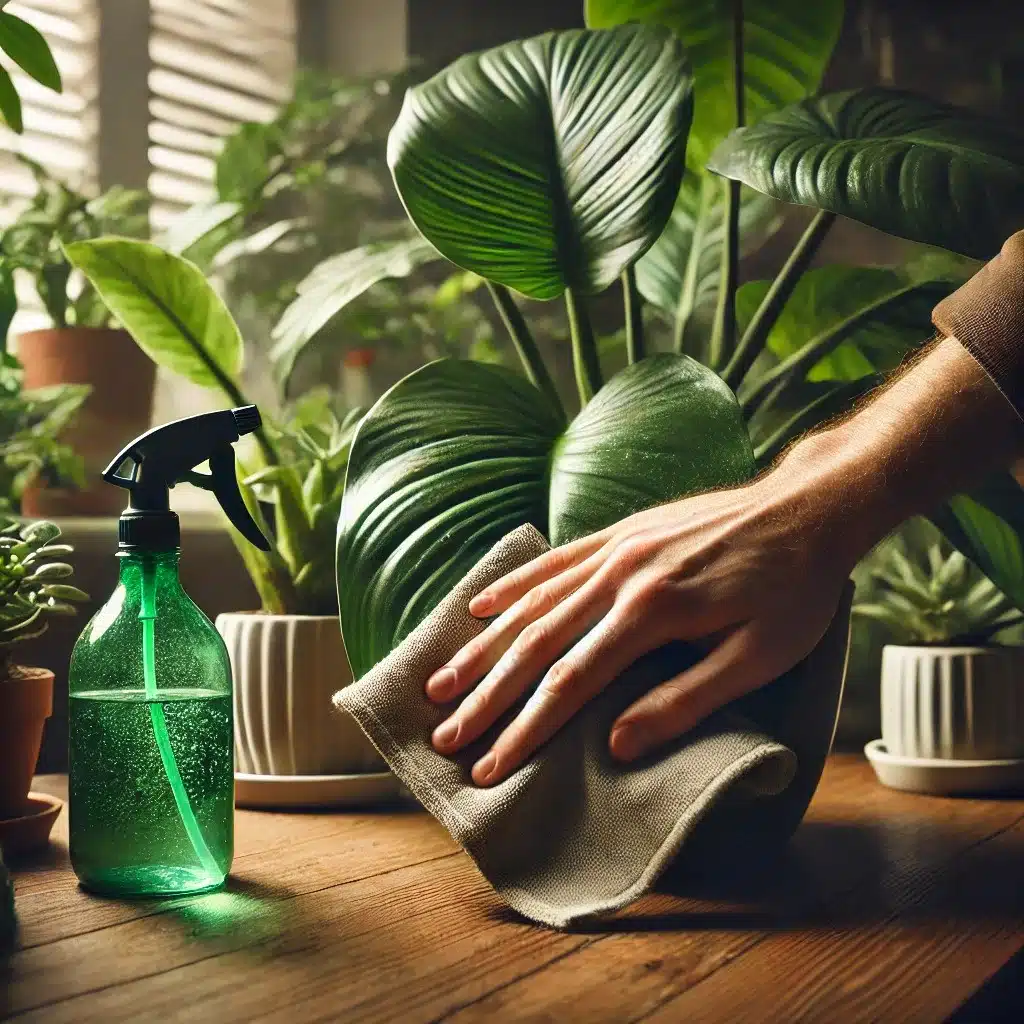
Imagine trying to absorb sunlight through a dusty window. That’s essentially what happens when your plant leaves are dirty. Dust acts as a barrier, reducing the amount of light that reaches the leaf’s chlorophyll, which slows down photosynthesis.
- Why dust matters: Dust buildup can reduce light absorption efficiency by up to 30%! Regular cleaning ensures plants get the light they need to produce the sugars that keep them healthy.
- Pro tip: Use a soft, damp cloth to wipe leaves gently. For plants with fuzzy leaves, like African violets, use a soft brush instead. Bonus: This also helps reduce pests, as many insects thrive in dusty environments.
Step 3: Create a Winter Plant Care Routine 🕰️
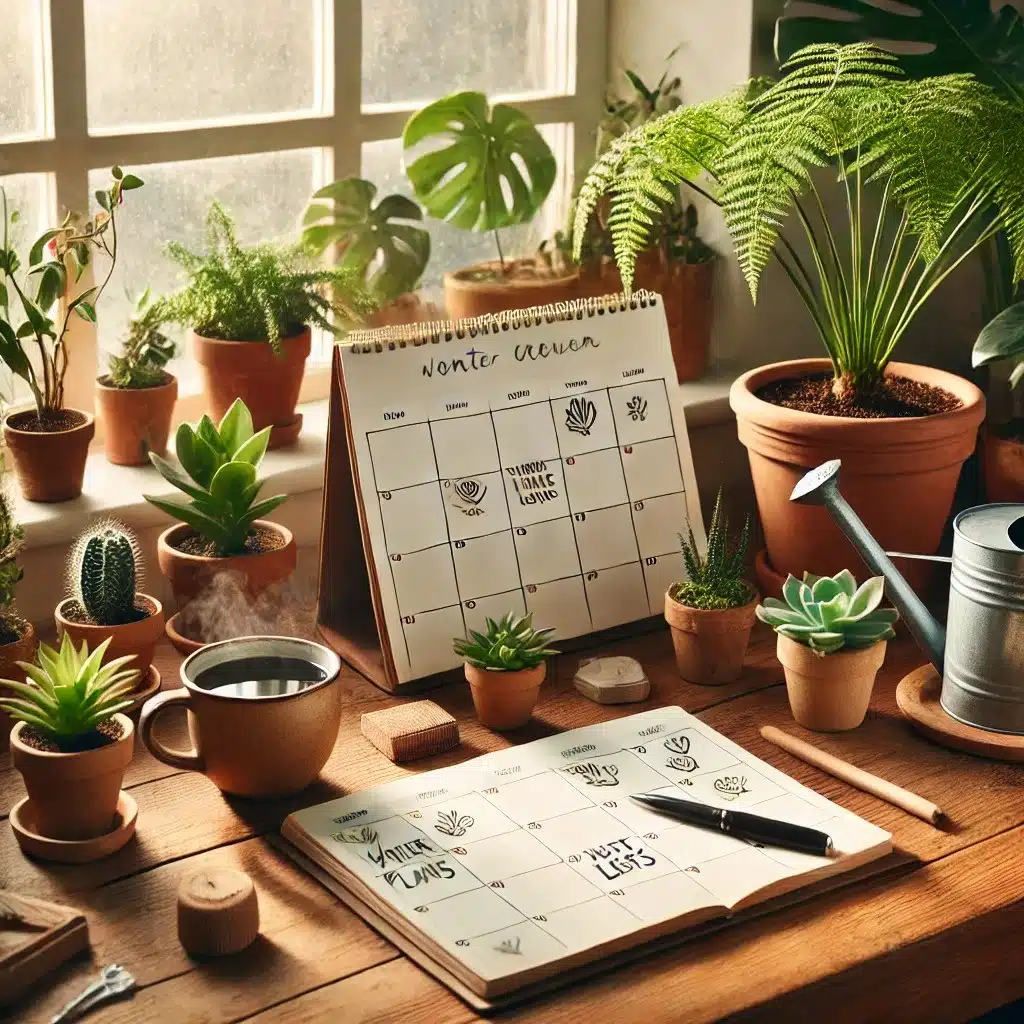
Plants, like humans, thrive with a routine. With reduced light and lower temperatures, winter causes most plants to grow slower. Understanding their natural cycles can help you adjust your care regimen.
- Morning light check-ins: Open the curtains first thing in the morning to maximize exposure to sunlight during the shortest days of the year.
- Weekly rotations: Mark your calendar or set a reminder to rotate your plants. This ensures even light distribution, which helps maintain structural integrity (yes, plants can have good posture, too!).
- Monthly leaf cleaning party: Regularly clean leaves to boost photosynthesis efficiency and improve air quality indoors. Plants absorb CO₂ and release oxygen, helping to freshen up your space—science-backed air purifiers!
Step 4: Bring the Outdoors In 🌿
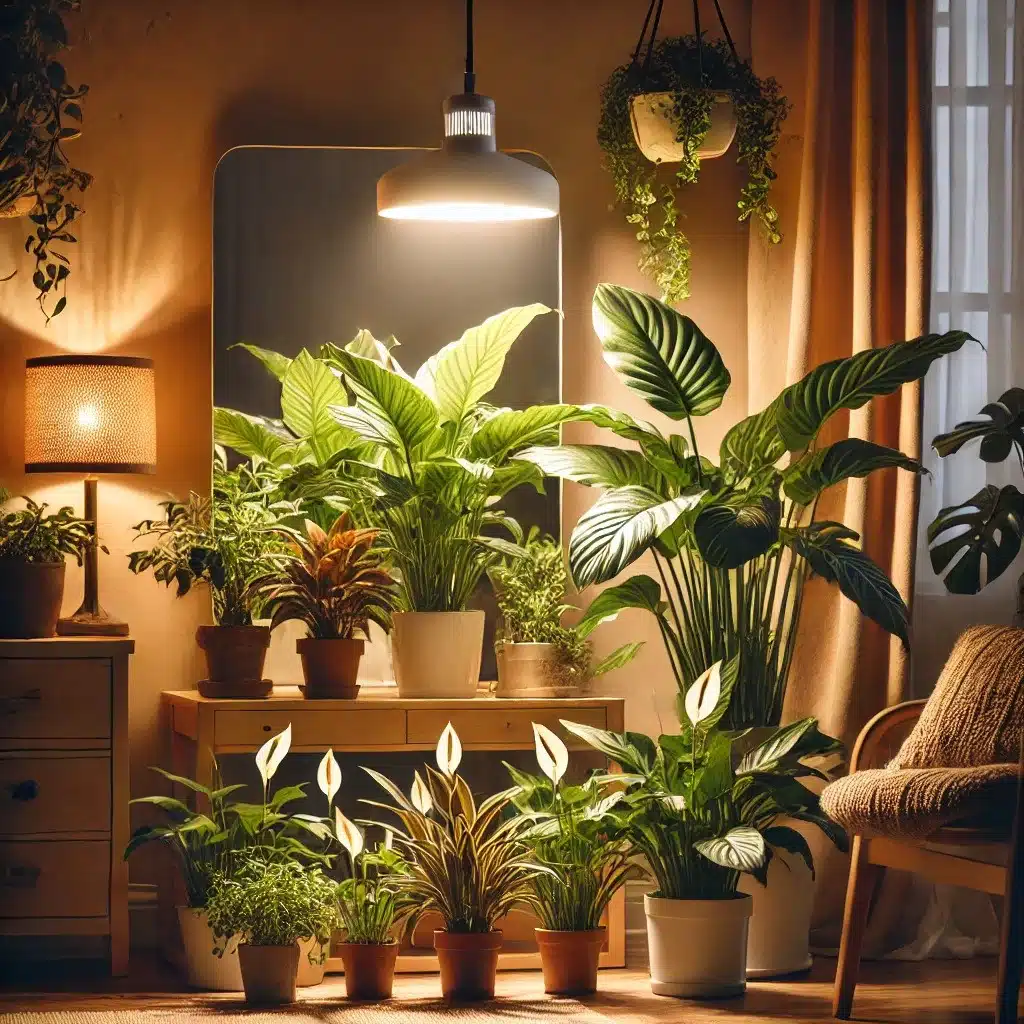
Even with your best efforts, natural sunlight may not always be enough during winter. Here’s where technology comes in:
- Invest in grow lights: These mimic the wavelengths of natural sunlight, specifically the red and blue light needed for photosynthesis. LED grow lights are energy-efficient and ideal for most houseplants.
- Mirror magic: Place a mirror behind your plants to reflect and amplify available light. This helps create a brighter environment without increasing your electricity bill.
- Humidity helpers: Plants lose water through their leaves in a process called transpiration. Indoor heating systems can dry the air, making this process more challenging. Use a humidifier or group plants together to create a microclimate with higher humidity.
The Science of Seasonal Plant Care
Here’s a quick breakdown of what your plants are doing this winter:
- Photosynthesis slows: Less light means less energy production, which is why plants often enter a dormant phase.
- Water needs decrease: With slower growth, plants require less water. Overwatering can lead to root rot, a condition where roots suffocate due to excess moisture and lack of oxygen.
- Humidity matters: Tropical plants, like ferns and calatheas, evolved in high-humidity environments. Mimicking this with pebble trays or humidifiers can prevent leaf browning and curling.
Final Thought: Your Plants Are Worth It 💚
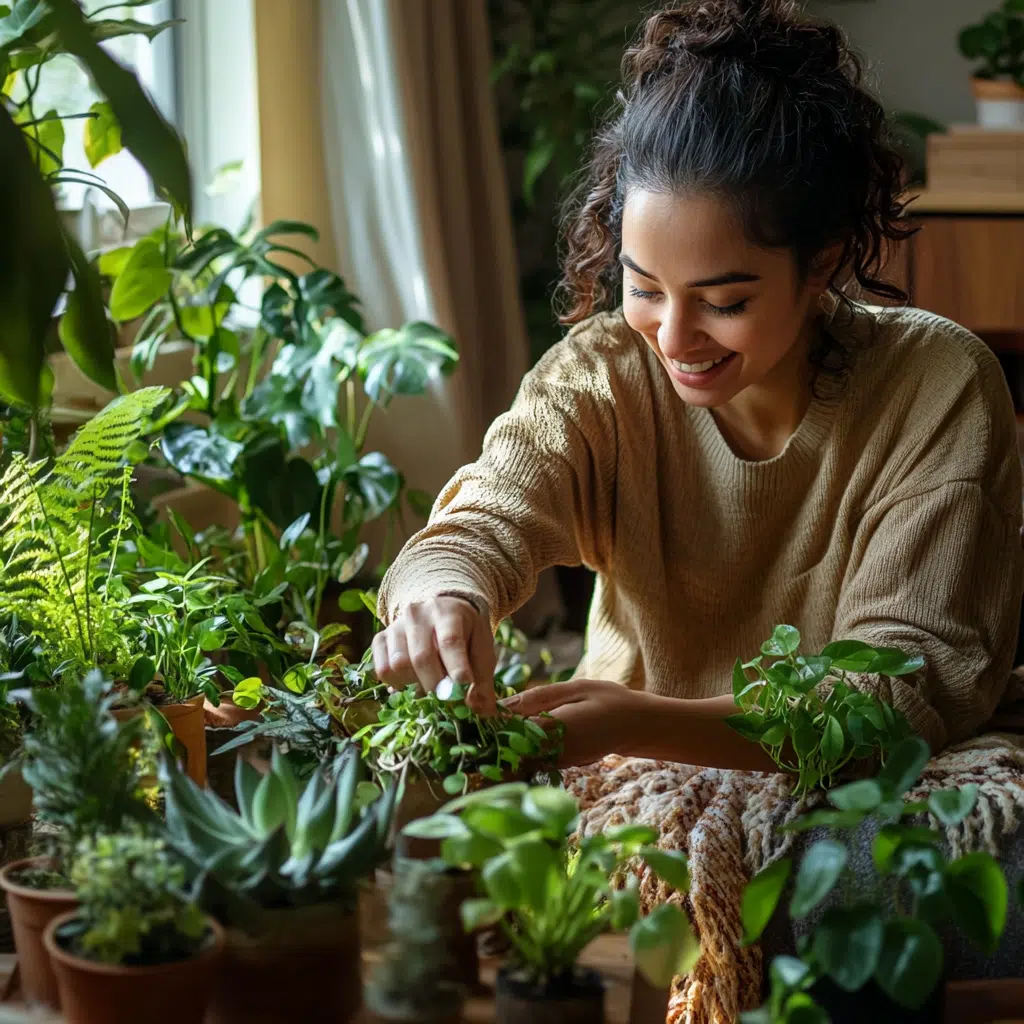
Winter might be a quieter time for your plants, but with a little science-backed care, they’ll come out of the season stronger than ever. Move them to sunny windows, rotate them for balance, and keep their leaves clean for optimal light absorption. Remember—plants are living organisms, and your thoughtful care helps them thrive.
So, grab a cup of tea, admire your leafy companions, and take pride in creating a cozy, nurturing space for them to flourish. 🌿❄️